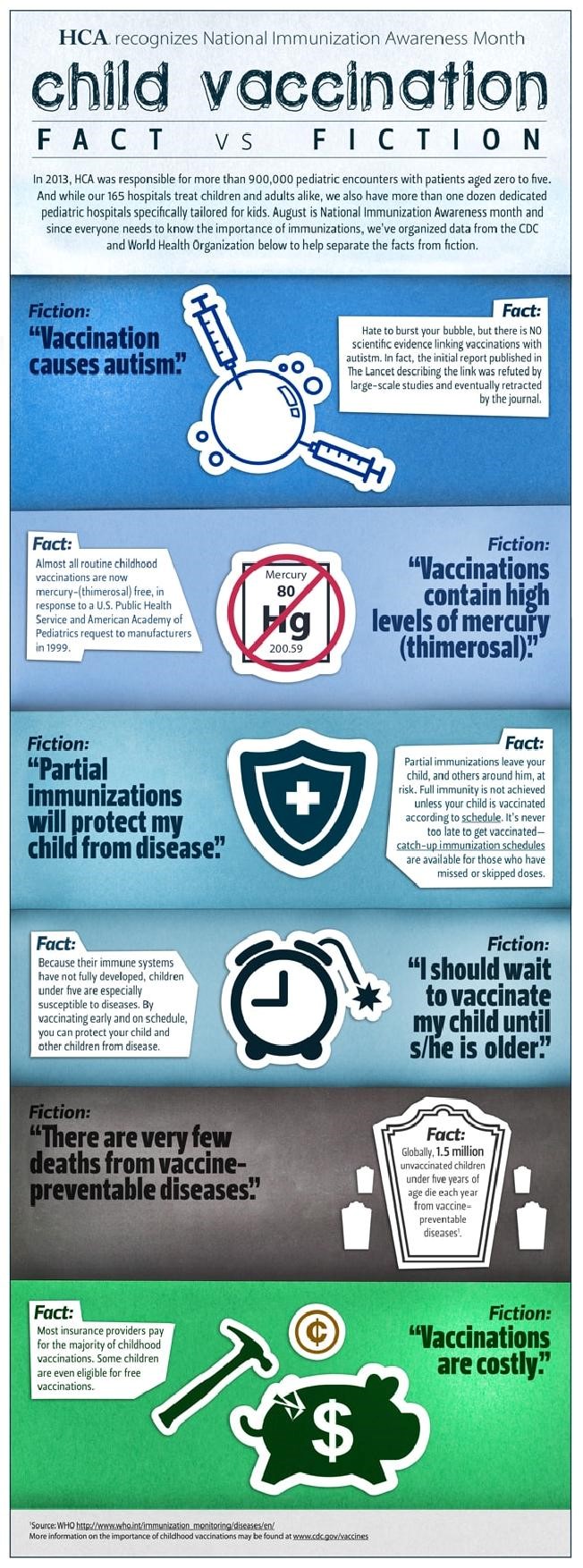
Each August, National Immunization Awareness Month (NIAM) brings attention to the role vaccines play in protecting health throughout every stage of life. Immunizations are an important part of preventive health care and help protect individuals from diseases that can cause serious illness, hospitalization, long-term complications, or death. Vaccination has helped dramatically reduce the spread of many infectious diseases that were once common in the United States. However, vaccine-preventable diseases have not disappeared and can still spread when people are unprotected. NIAM is an opportunity for individuals and families to review their vaccination history and discuss recommended vaccines with a trusted healthcare provider.
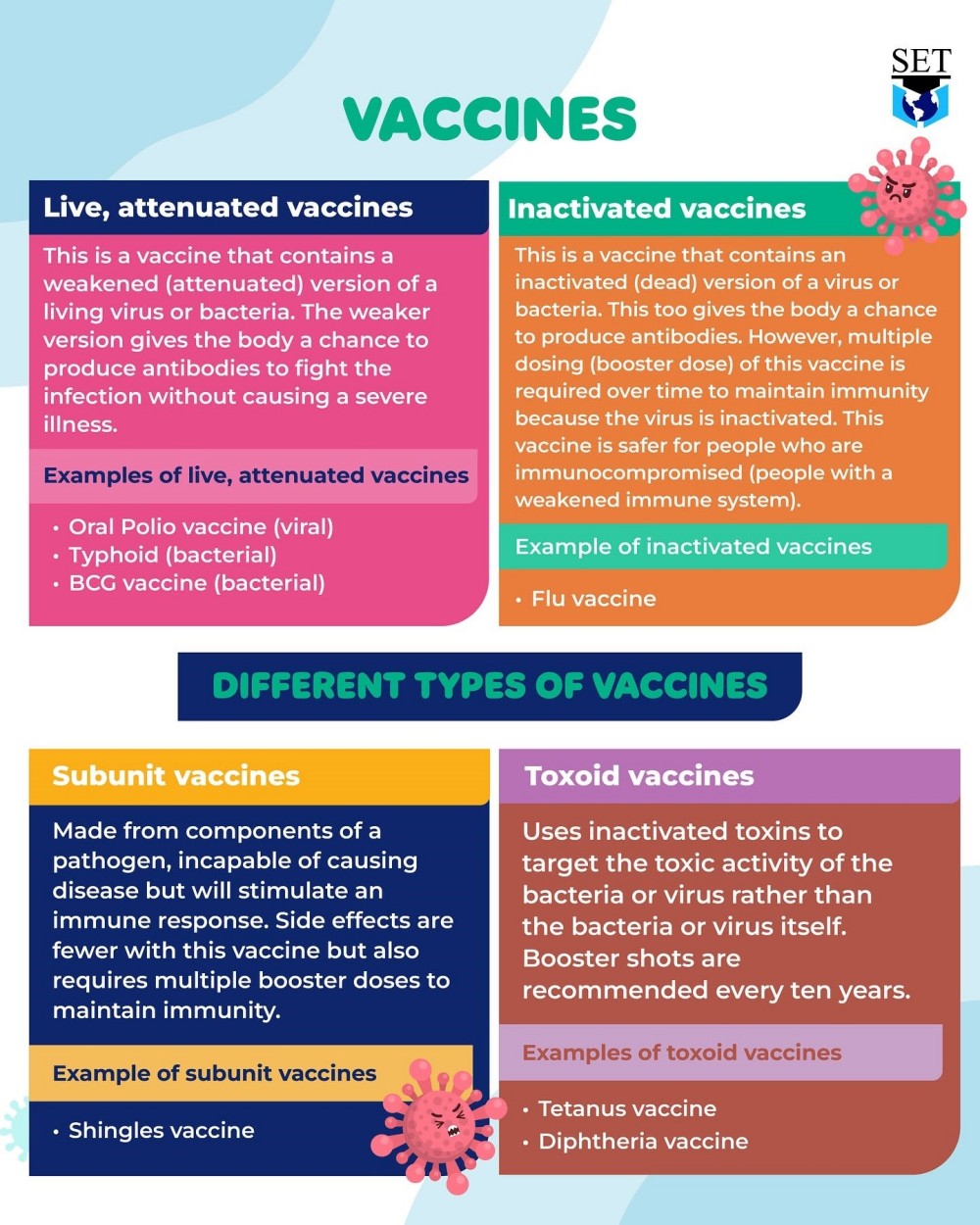
Vaccines work by preparing the immune system to recognize and respond to specific germs before a person is exposed to them. Depending on the vaccine, protection may last for many years, while other vaccines require additional doses or periodic boosters to maintain protection. Vaccination recommendations also change throughout life based on age, health conditions, pregnancy, occupation, travel, and other risk factors. This means immunizations are not just for children, and adults should periodically review their vaccination records as well. A healthcare provider can help determine which vaccines are appropriate based on an individual’s health history and circumstances.
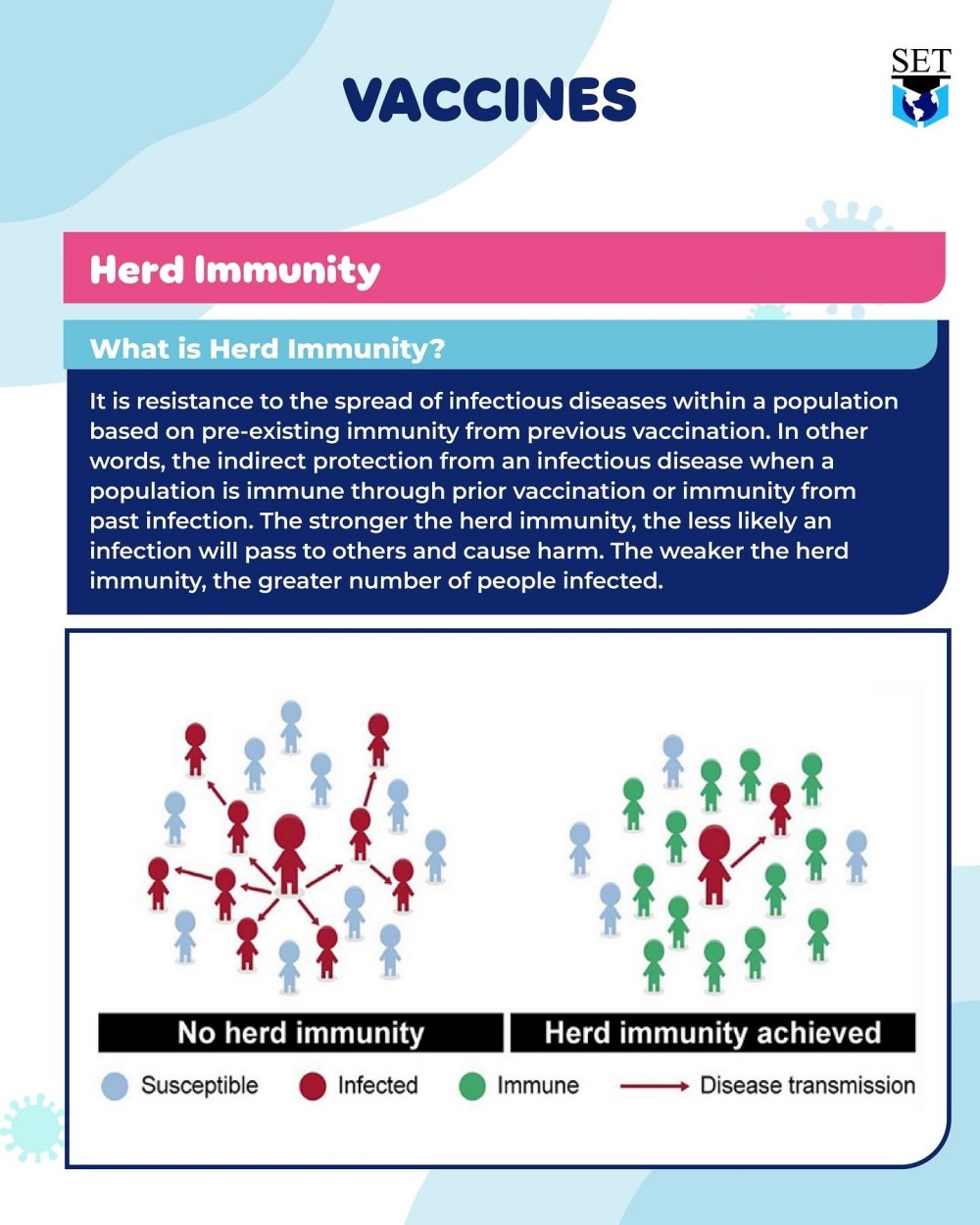
Immunization also helps protect the health of the larger community. When more people are protected against an infectious disease, there are fewer opportunities for that disease to spread from person to person. This is especially important for people who may be more vulnerable to serious illness, including infants, older adults, and individuals with certain chronic conditions or weakened immune systems. Staying current with recommended vaccines can therefore protect both the person receiving the vaccine and people around them. Vaccination remains an important public health strategy for reducing preventable illness within families and communities.
August is also an ideal time for families to review children’s immunization records as students prepare to return to school. Routine childhood and adolescent vaccinations provide protection against several serious diseases, and well-child visits provide an opportunity for parents to discuss any missed or upcoming vaccines with their child’s healthcare provider. Adolescence also brings additional vaccine recommendations designed to protect young people as they grow into adulthood. Adults should use this reminder too, since childhood vaccination does not necessarily mean a person is protected against every vaccine-preventable disease for life. Keeping an accurate vaccination record and discussing it during routine medical visits can make it easier to identify vaccines that may be due.
National Immunization Awareness Month encourages everyone to make informed decisions about vaccination using reliable health information. Questions and concerns about vaccines are normal, and individuals should feel comfortable discussing them with a healthcare professional they trust. Healthcare providers can explain the benefits, possible side effects, recommended timing, and individual considerations associated with different vaccines. Rather than waiting until illness is circulating in the community, routine preventive care provides an opportunity to make sure immunizations are up to date ahead of time. This August, take a few minutes to check your vaccination records, talk with your healthcare provider, and encourage the people you care about to do the same.