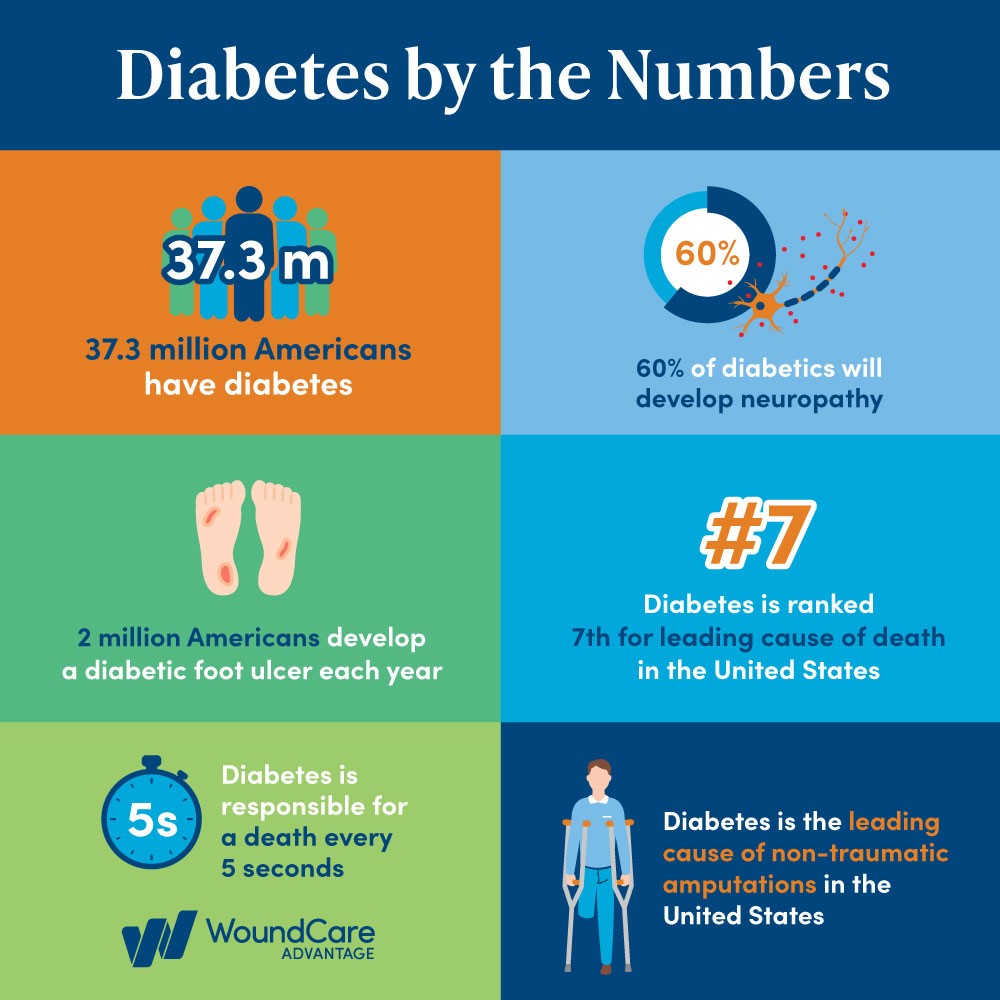
November is National Diabetes Month, a time to raise awareness, encourage early detection, and support people living with diabetes. Diabetes occurs when blood glucose, also called blood sugar, becomes too high. Over time, high blood sugar can damage the heart, kidneys, eyes, and nerves. Common signs and symptoms include frequent urination, increased thirst or hunger, unexplained weight loss, fatigue, and blurry vision. Some people also experience frequent urinary tract or yeast infections, while others have no noticeable symptoms. If you notice these changes, contact a health care provider and ask about testing.
Risk factors for type 2 diabetes include prediabetes, overweight or obesity, physical inactivity, and having a parent or sibling with the condition. Risk also increases with age among adults age 35 and older. A history of gestational diabetes, which develops during pregnancy, also increases the likelihood of developing type 2 diabetes later. African American, Hispanic or Latino, American Indian, Asian American, and Pacific Islander populations experience higher rates of type 2 diabetes. Having risk factors does not mean you will develop diabetes, but it is a reason to discuss screening and prevention with your provider. Healthy habits can help prevent or delay type 2 diabetes, even when some risk factors cannot be changed.
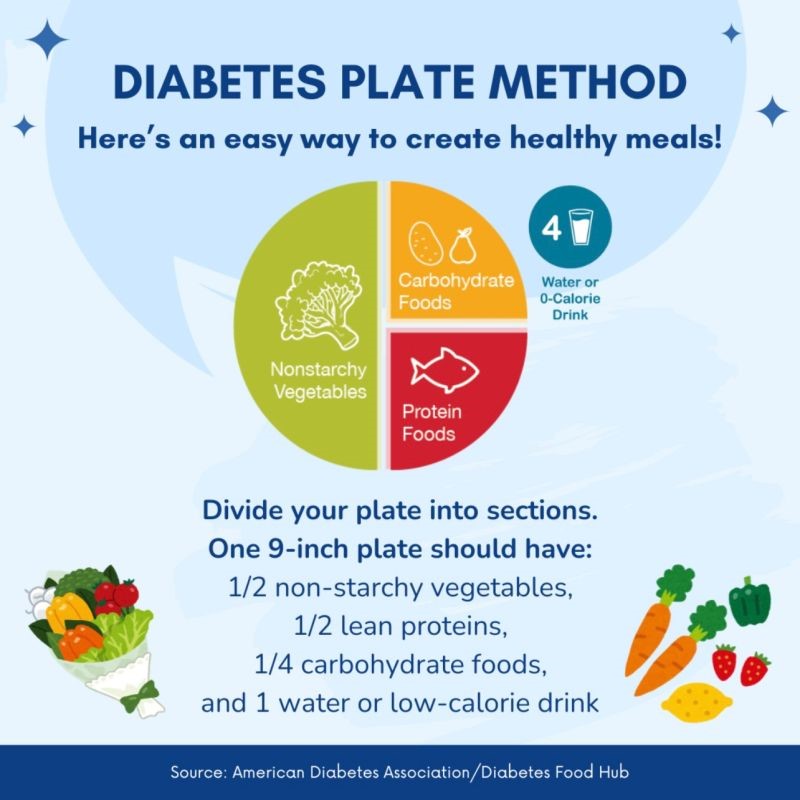
Healthy eating and regular physical activity are important steps toward preventing type 2 diabetes and managing blood sugar. To build a balanced meal, fill half of a nine-inch plate with nonstarchy vegetables, one quarter with lean protein, and one quarter with carbohydrate foods. For example, try baked chicken, steamed broccoli, and a modest portion of brown rice, paired with water or unsweetened tea. Choose whole fruit over juice, include fiber-rich foods such as beans and whole grains, and limit added sugars. Adults should aim for at least 150 minutes of moderate-intensity activity each week, such as brisk walking for 30 minutes on five days, plus muscle-strengthening activities on at least two days. Start with shorter sessions if needed and gradually increase your activity, since smaller amounts still count.
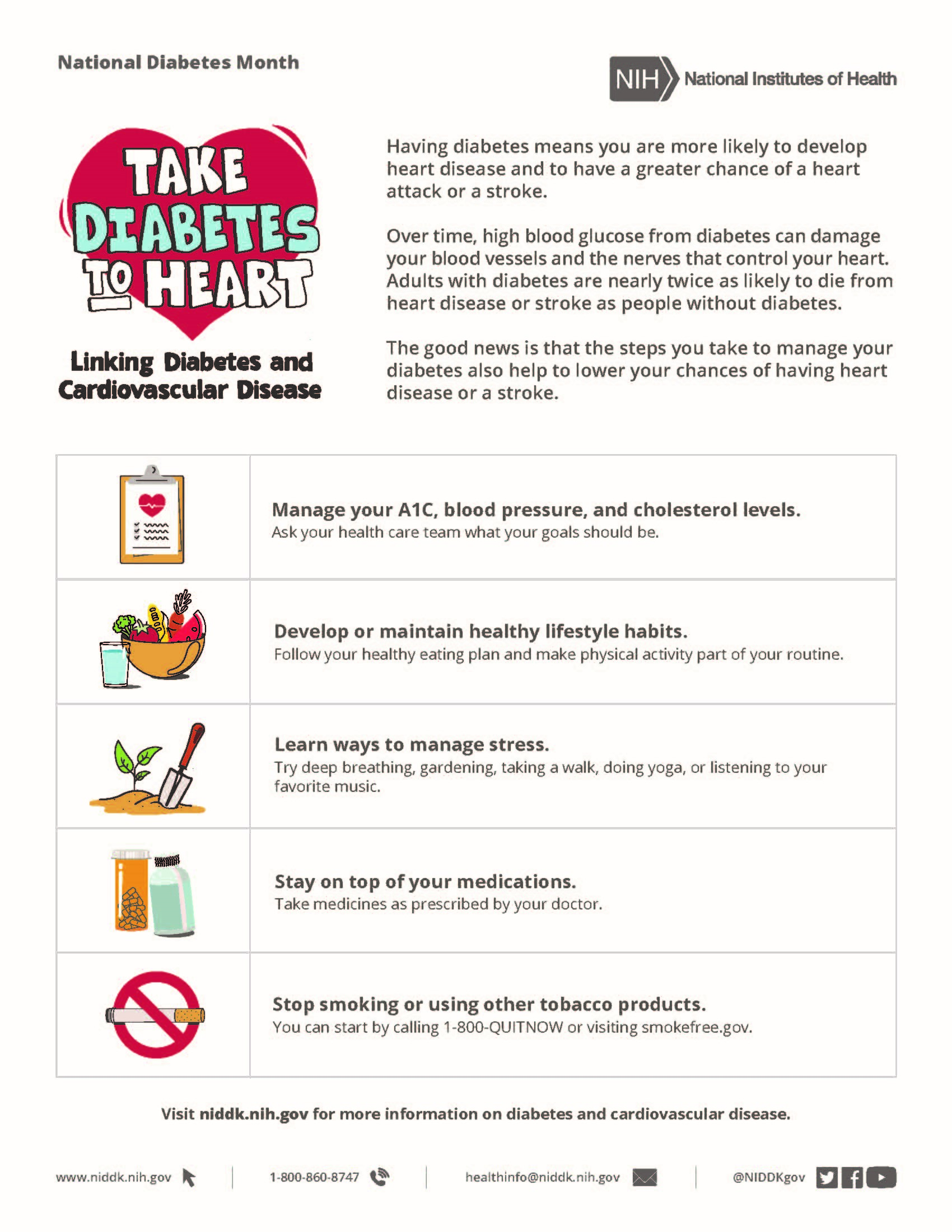
For people already living with diabetes, daily management and regular medical care can help protect long-term health. Take medications as prescribed and monitor blood sugar according to your care team’s recommendations. Work with your provider to set goals for your A1C, blood pressure, and cholesterol. Caring for your mental health also matters, so speak up if managing diabetes feels stressful or overwhelming. During National Diabetes Month, support yourself and others by sharing reliable information, encouraging checkups, and offering understanding without judgment.