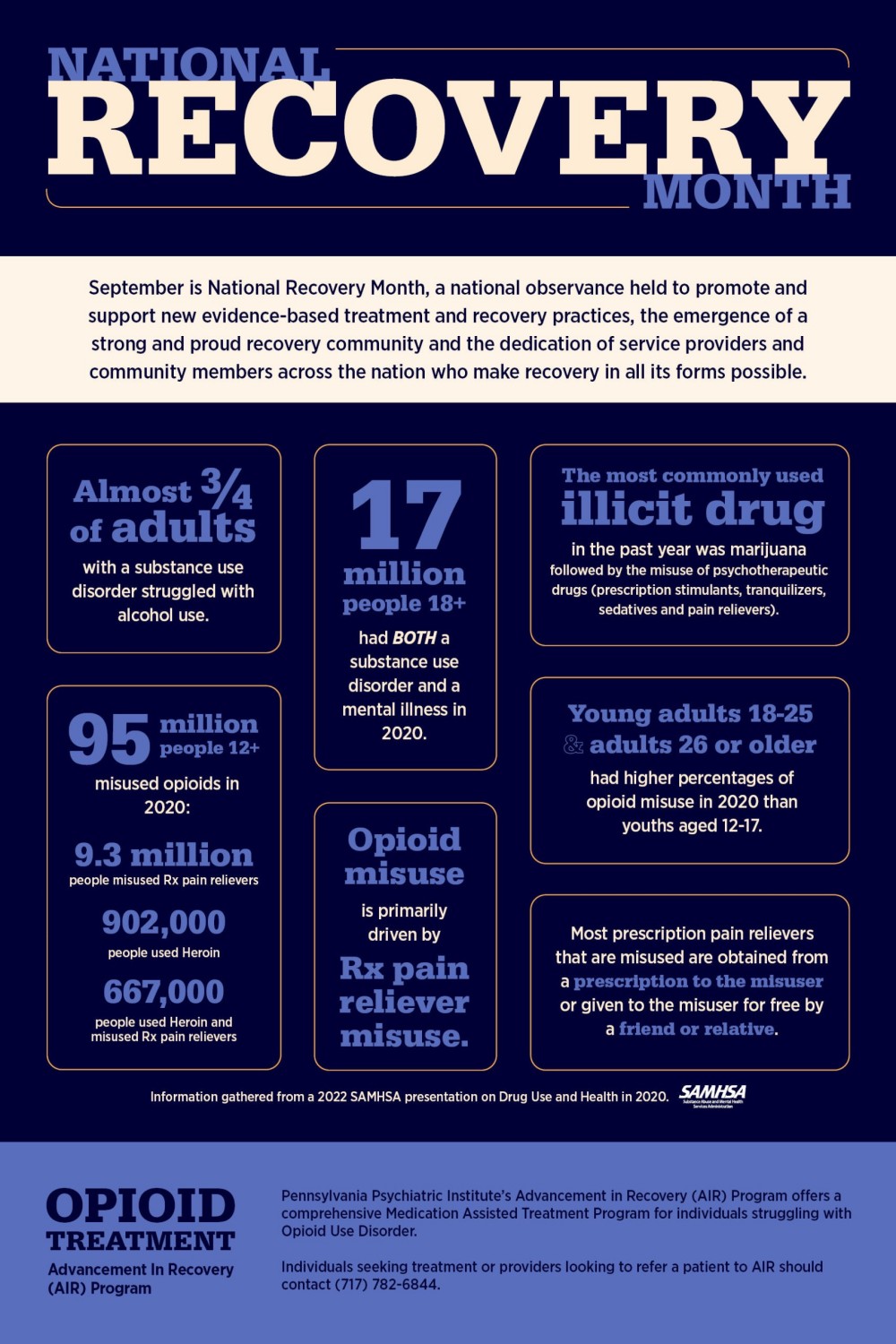
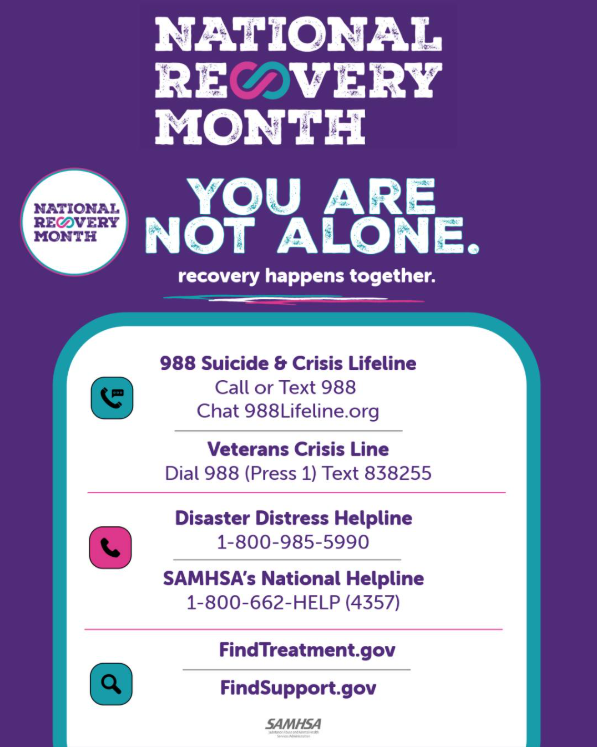
National Recovery Month is observed every September in the United States to recognize the strength of people in recovery and increase awareness of substance use and mental health recovery. The observance began in 1989 as **Treatment Works! Month**, with an emphasis on promoting the effectiveness of substance use treatment and recognizing the professionals who provided those services. At the time, much of the public discussion surrounding addiction focused on the problems associated with substance use rather than the possibility of successful treatment and recovery. The observance helped bring greater attention to the fact that treatment can work and that people can make meaningful changes in their lives. What began as a treatment-focused campaign eventually developed into a much broader celebration of recovery.
One of the most important purposes of National Recovery Month is to challenge the stigma surrounding substance use disorders and recovery. Stigma can cause people to feel ashamed, isolated, or reluctant to seek treatment and support. Public conversations about recovery can help replace stereotypes with a better understanding that substance use disorders are health conditions for which effective treatment and recovery supports are available. Sharing recovery experiences also demonstrates that people in recovery can rebuild relationships, pursue meaningful goals, and contribute to their communities. By making recovery more visible, Recovery Month helps create an environment where seeking help can be associated with hope and positive change rather than shame.
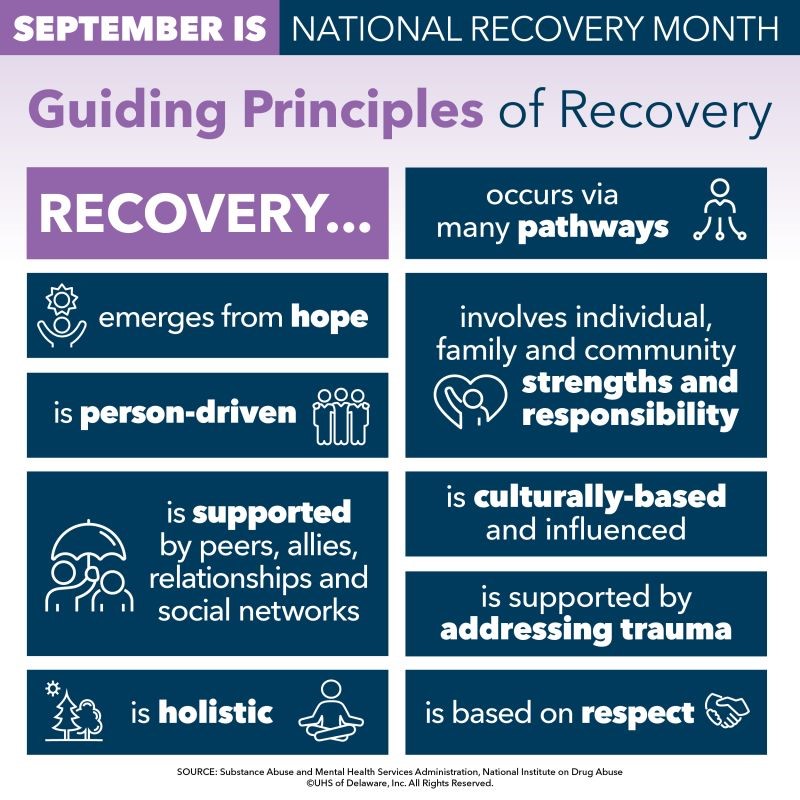
Individuals can play an important role in creating communities that support recovery, particularly because recovery rarely occurs through individual effort alone. Using respectful, person-centered language, avoiding harmful stereotypes, recognizing when someone may need help, and becoming familiar with treatment and recovery resources can help create a more supportive environment. Community members can also volunteer with recovery organizations, participate in prevention and awareness activities, carry naloxone when appropriate, and help spread the message that recovery is possible. Treatment providers, peer support specialists, families, employers, faith communities, and other community partners also contribute to a person’s ability to establish and maintain recovery. Access to stable housing, employment, health care, peer support, and positive relationships can provide the stability needed to sustain recovery over time. By recognizing both individual efforts and the importance of strong support systems, National Recovery Month encourages communities to work together to create environments where people have the resources and opportunities they need to achieve and maintain recovery.
There is no single pathway to recovery, as each person enters the process with different experiences, strengths, challenges, cultures, and personal goals. Depending on individual needs and circumstances, recovery may involve professional treatment, medications, counseling, peer support, mutual-support groups, family involvement, faith communities, or a combination of approaches. Recognizing these differences encourages individualized support rather than expecting one method to work for everyone and reminds individuals and families that other options remain available when one approach is not the right fit. More than three decades after its beginning, National Recovery Month continues to celebrate people in recovery while recognizing the professionals, families, peers, and organizations that support them along the way. The observance encourages communities to reduce stigma, improve access to services, and create environments that support improvements in health, relationships, stability, purpose, and overall quality of life. Ultimately, National Recovery Month reinforces the message that recovery is possible and that people deserve access to the resources, opportunities, and support needed to build healthy and meaningful lives in recovery.
A variety of national and North Carolina resources are available for individuals seeking treatment, recovery support, or help for someone they care about. Nationally, the
Substance Abuse and Mental Health Services Administration’s National Helpline at 1-800-662-HELP (4357) provides free, confidential treatment information and referrals 24 hours a day, 365 days a year, and FindTreatment.gov can be used to locate mental health and substance use treatment services. North Carolina residents can also contact the NC Peer Warmline at 1-855-PEERS-NC (1-855-733-7762) to receive 24/7 non-clinical support from Certified Peer Support Specialists with lived experience with mental health or substance use challenges. For an immediate mental health or substance use crisis, individuals can call or text 988 to connect with trained crisis counselors who can provide support and help connect them with additional resources.