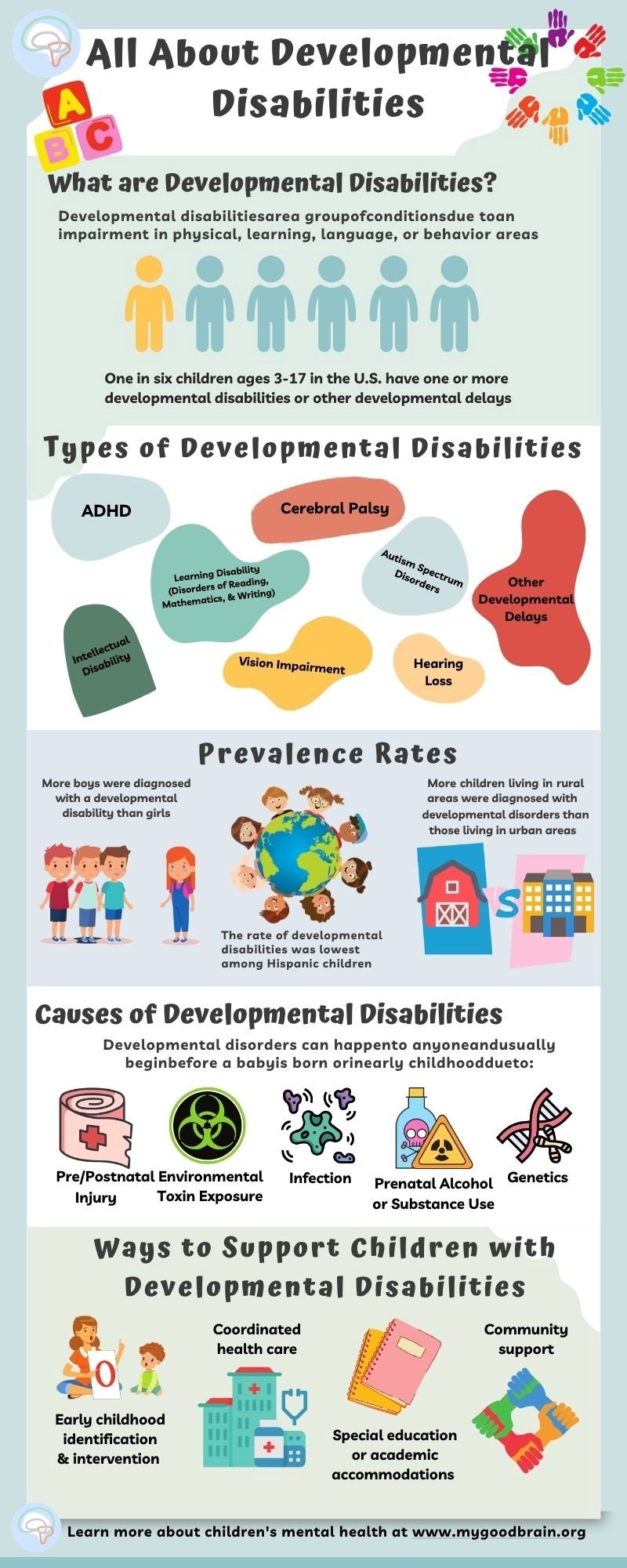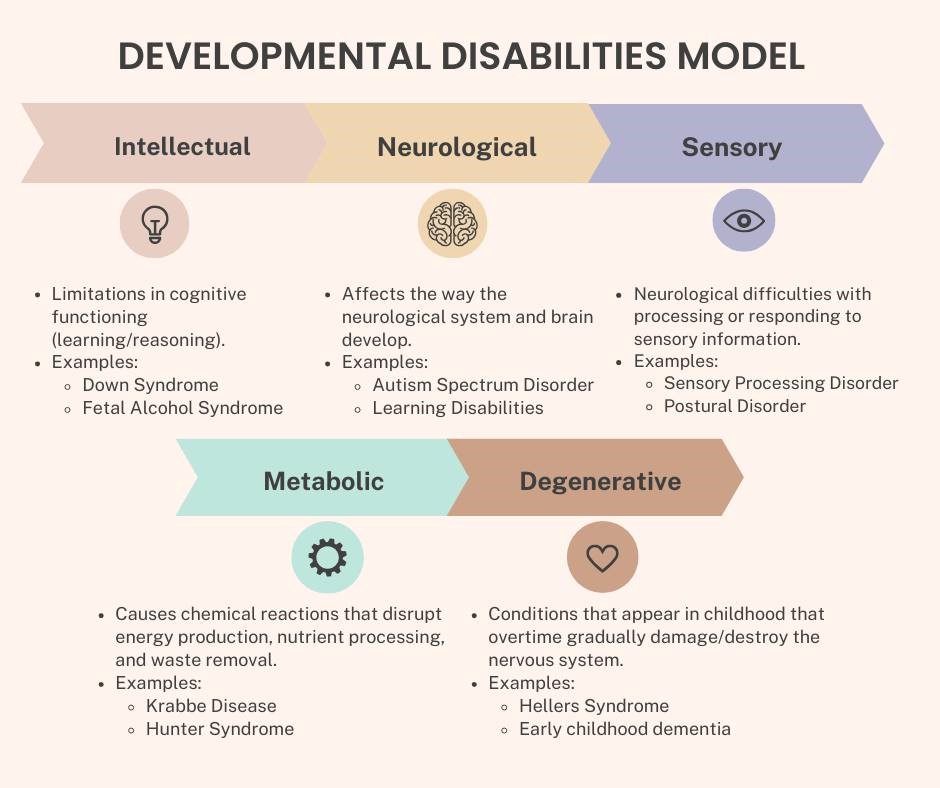
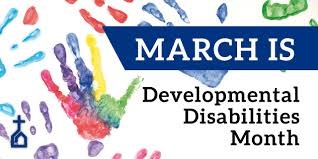
March is recognized as Developmental Disabilities Awareness Month, a time dedicated to increasing understanding and inclusion for individuals with developmental disabilities. This observance was first established in 1987 by President Ronald Reagan to promote awareness and highlight the contributions of people with disabilities. Developmental disabilities, such as autism, cerebral palsy, and intellectual disabilities, can affect physical, learning, language, or behavioral areas. The month focuses on breaking down barriers that prevent full participation in society. It also encourages communities to recognize the strengths, talents, and rights of individuals with developmental disabilities. By raising awareness, society moves closer to creating environments where everyone can thrive.
A key goal of Developmental Disabilities Awareness Month is to promote inclusion in all aspects of life, including education, employment, and community activities. Individuals with developmental disabilities often face challenges such as limited access to resources, social stigma, and unequal opportunities. Advocacy organizations like The Arc of the United States work to ensure that individuals receive the support and protections they need. Inclusive practices, such as accessible workplaces and schools, help foster independence and dignity. Communities are encouraged to listen to and amplify the voices of people with disabilities. When inclusion becomes a priority, everyone benefits from a more diverse and equitable society.
Education and awareness play a critical role in reducing misconceptions about developmental disabilities. By learning about different conditions and the experiences of those affected, people can become more compassionate and informed. Early intervention services, therapies, and support systems can significantly improve quality of life and long-term outcomes. Families and caregivers also play an essential role and often need access to resources and support networks. Developmental Disabilities Awareness Month serves as a reminder to advocate for policies and programs that promote accessibility and equity. Through understanding, acceptance, and action, communities can create a future where individuals of all abilities are valued and included.