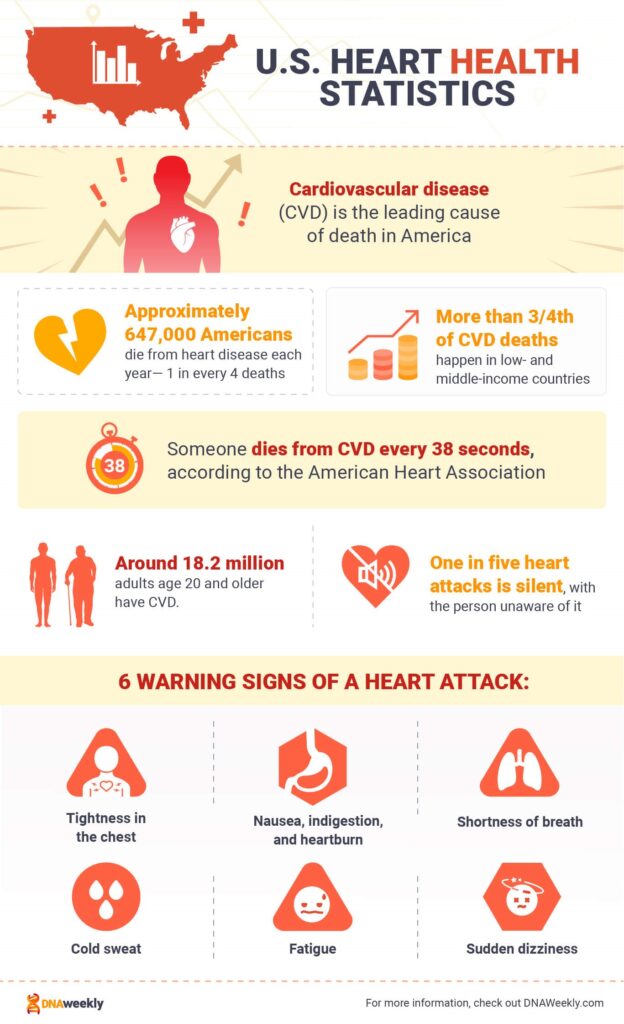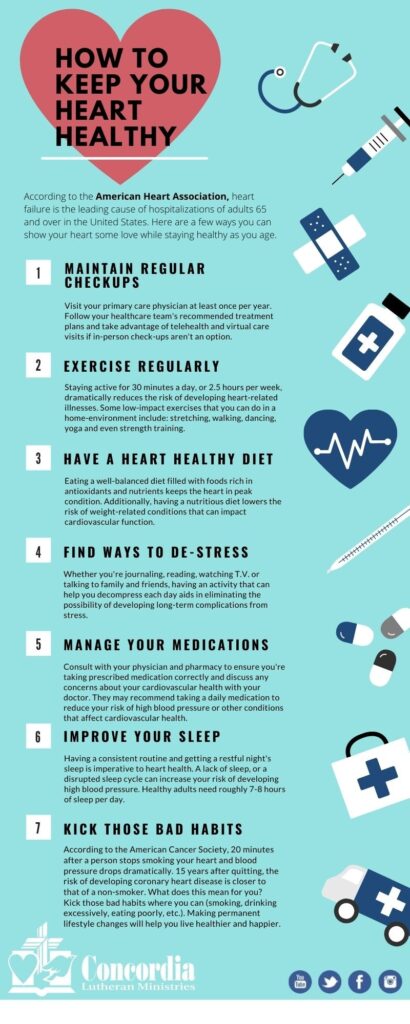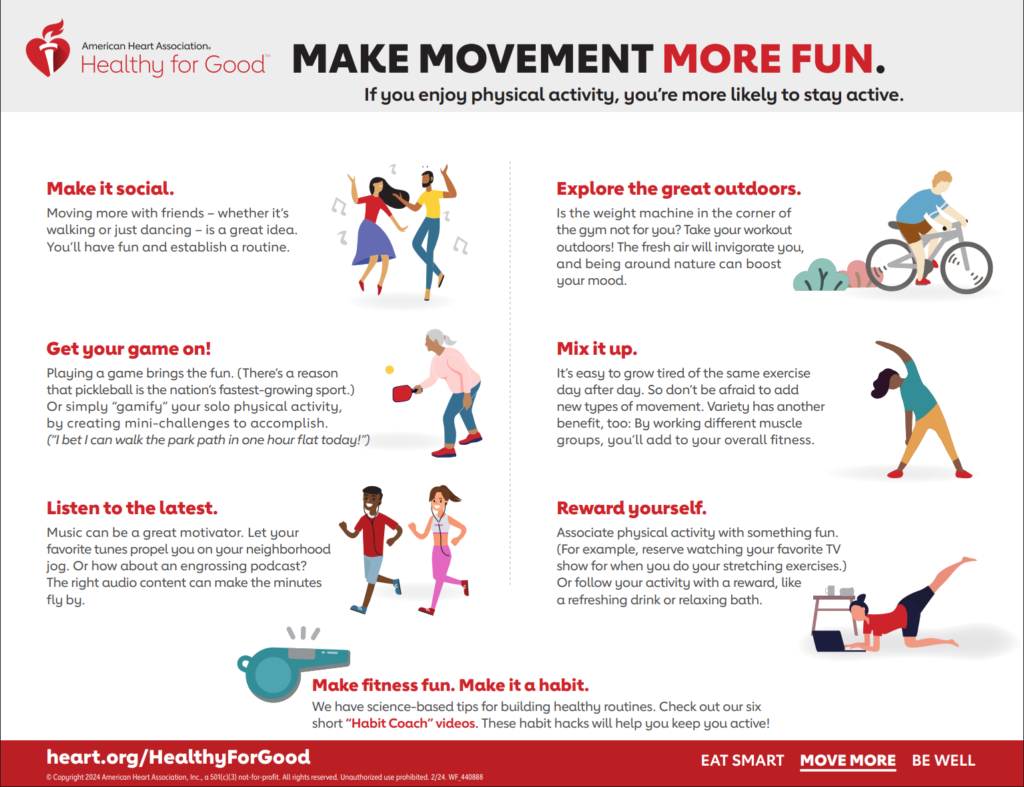
American Heart Month is observed each February to raise awareness about cardiovascular disease, the leading cause of death in the United States. This national observance encourages individuals, families, and communities to focus on heart health and learn the warning signs of heart disease and stroke. Preventing heart disease starts with small, sustainable changes. Engaging in at least 150 minutes of moderate physical activity each week, eating a balanced diet rich in fruits, vegetables, whole grains, and lean proteins, and limiting sodium and added sugars can significantly reduce risk. Managing stress, getting adequate sleep, and avoiding tobacco products are also essential protective measures. Individuals should work with their healthcare providers to manage chronic conditions such as hypertension or diabetes and to determine whether medications are needed.
One important area in the fight against heart disease is the role of family history and genetics. Individuals with a parent or sibling who has heart disease, especially at a younger age, may be at higher risk and should discuss earlier or more frequent screening with their healthcare provider. It is also necessary to highlight the connection between heart health and other conditions such as diabetes, autoimmune disorders, chronic stress, and inflammatory diseases. High blood pressure, often called the “silent killer,” typically has no symptoms but can quietly damage the heart, brain, and kidneys over time. The general goal for most adults is a blood pressure under 120/80 mmHg. Early detection allows for lifestyle changes and treatment before serious complications occur. Mental health plays a significant role in cardiovascular health, as chronic stress and depression can increase inflammation and blood pressure. Sleep health is another major contributor, with untreated sleep apnea increasing the risk of heart attack and stroke. Women should be aware that pregnancy complications such as preeclampsia and gestational diabetes can increase long-term cardiovascular risk.
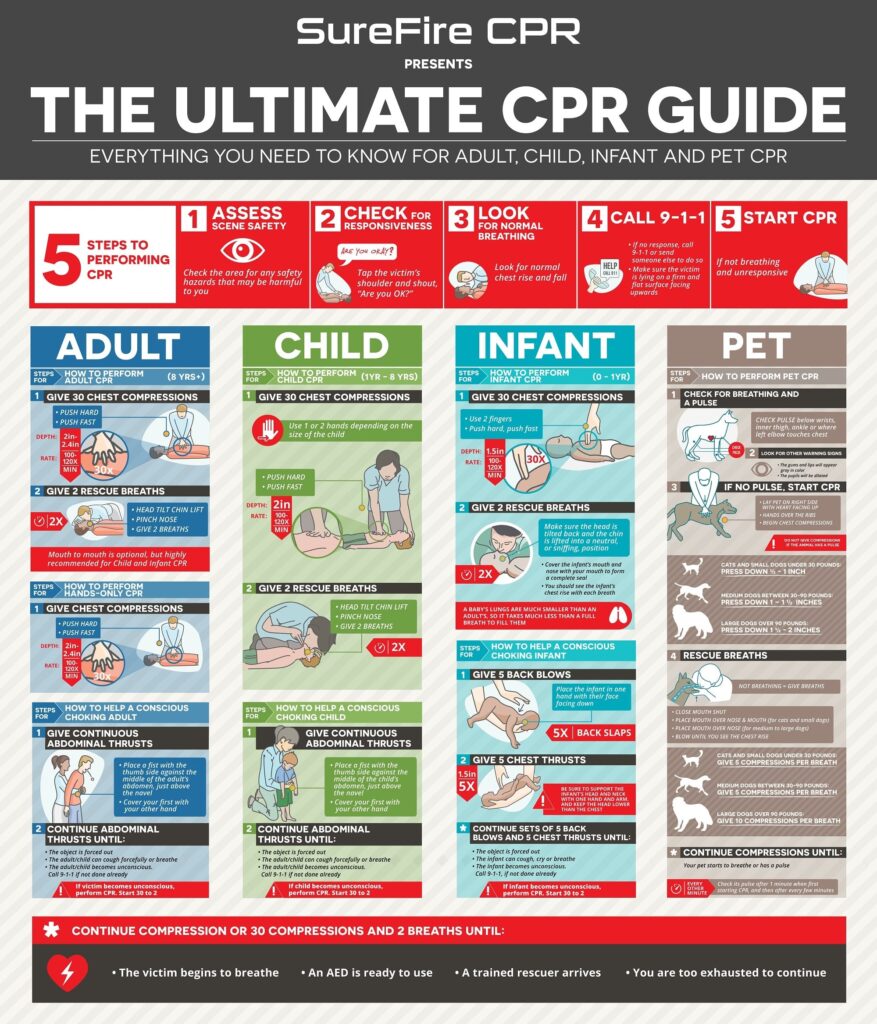
Understanding the warning signs of heart problems can save lives. Symptoms of a heart attack may include chest discomfort, shortness of breath, nausea, lightheadedness, or pain in the arms, neck, jaw, or back. Heart disease is often underdiagnosed or misinterpreted in women. Women may experience subtler symptoms such as unusual fatigue, indigestion, or upper back pressure. Learning CPR and how to use an automated external defibrillator can significantly improve survival rates during sudden cardiac arrest. It is also important to recognize stroke warning signs using the acronym FAST: Face drooping, Arm weakness, Speech difficulty, Time to call 911. Anyone experiencing these warning signs should call 911 immediately rather than attempting to drive themselves to the hospital.